
Charity
Putting the fun in fundraising!
Creative, memorable and effective ideas for charity fundraising events
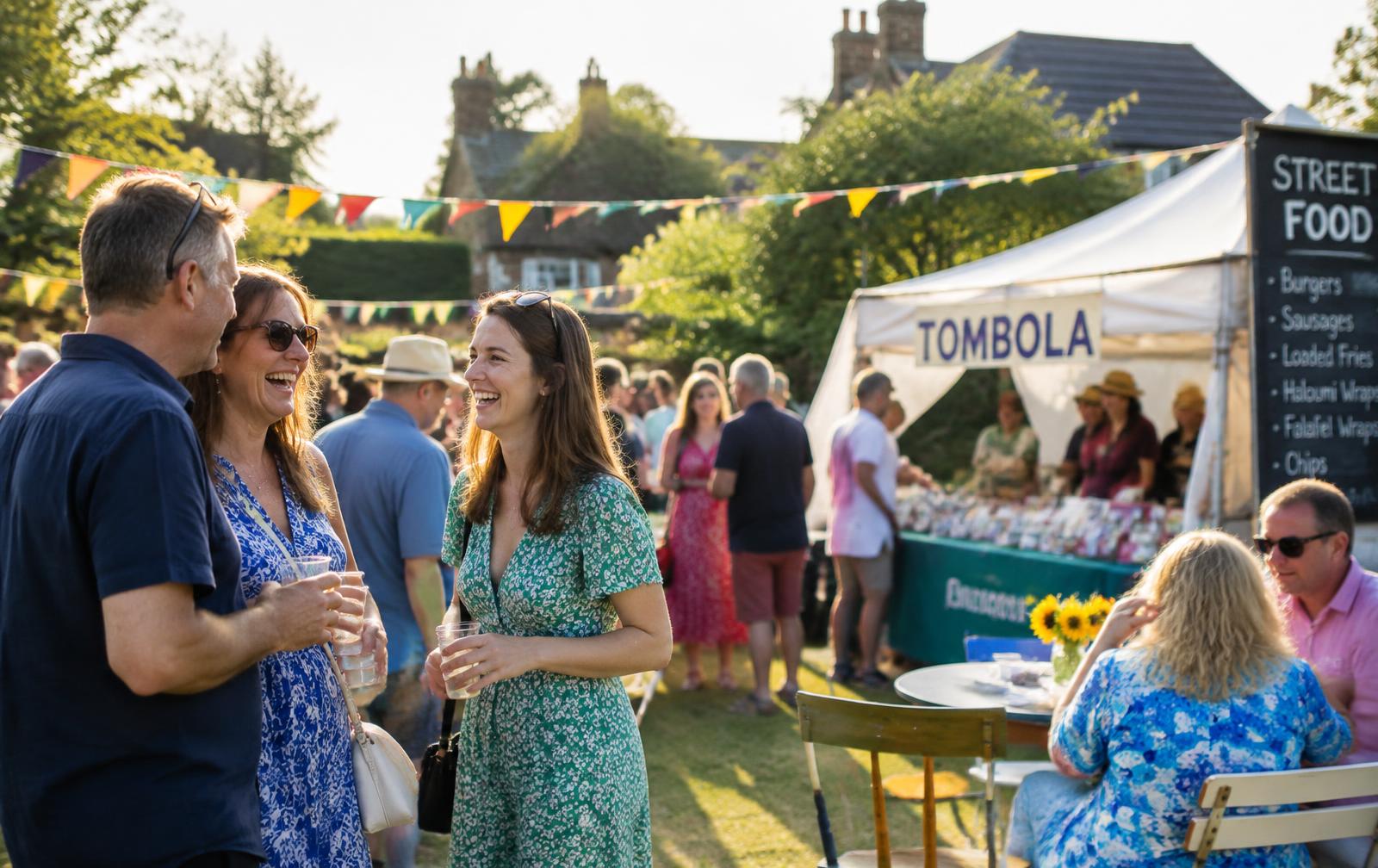
Creative, memorable and effective ideas for charity fundraising events
Fundraising events don't have to be formal dinners, sponsored walks or traditional raffles.
While these activities can still be extremely successful, there's enormous potential to create something different.
An event that brings people together, makes them laugh, encourages participation and creates wonderful memories can be a powerful way to support a worthwhile cause.
The challenge is finding the right balance between raising money, controlling costs and ensuring everyone has a brilliant experience.
Whether you're organising an event for a local charity, community organisation, school or corporate fundraising initiative, here are some ideas to inspire you.
1. Turn Fundraising Into an Experience
People are often more enthusiastic about supporting an event when they're getting something enjoyable in return.
Rather than simply asking for donations, create an experience people genuinely want to attend.
Charity comedy nights
An evening of comedy can attract a broad audience.
Partner with local comedians, entertainment venues and businesses to create an enjoyable event.
Revenue opportunities include ticket sales, sponsorship and optional donations.
Charity food festivals
Bring together local food businesses, street-food traders and entertainers.
Visitors enjoy discovering new food while supporting a good cause.
Potential fundraising opportunities include admission, trader contributions, sponsorship and donations.
Themed quiz nights
A quiz doesn't have to be a traditional pub quiz.
Consider music decades, television favourites, local history or a battle between businesses.
Introduce entertaining rounds, team challenges and donated prizes.
Outdoor cinema evenings
An outdoor film screening can provide a memorable family experience.
Combine ticket sales with food stalls, refreshments and sponsorship.
Remember to arrange the necessary film screening permissions and suitable weather contingency plans.
2. Make It Competitive!
A little friendly competition can encourage people to participate and raise additional funds.
Corporate challenge days
Invite local businesses to compete in a series of activities.
These might include team games, problem-solving challenges, sporting activities or creative competitions.
Businesses could pay an entry fee and raise additional sponsorship.
It's also an excellent opportunity for team building and networking.
Charity games evenings
Organise a series of entertaining challenges, with teams competing for a trophy.
Keep the activities accessible so people with different abilities can participate.
Community talent competitions
Invite local singers, dancers, comedians and performers to showcase their talents.
Ticket sales and sponsorship can support the charity.
Consider involving local businesses as sponsors or prize donors.
Sponsored creative challenges
Not everyone wants to run a marathon!
How about a sponsored painting challenge, dance event, baking competition or community craft project?
Creative fundraising can engage people who might not participate in traditional sporting challenges.
3. Make Fundraising Social
Some of the most successful events bring people together around a shared interest.
Charity supper clubs
Partner with a restaurant, chef or caterer to create an exclusive dining experience.
Guests pay for a special evening, with an agreed contribution supporting the charity.
Wine or food tasting evenings
A tasting event can appeal to people who enjoy discovering new experiences.
Work with suitable local suppliers and confirm any licensing requirements.
Include interesting information, demonstrations or food pairings.
Charity networking events
Bring local businesses together for an event that combines networking with supporting a community cause.
Businesses may contribute through ticket purchases, sponsorship, donations or providing services.
This approach can also create longer-term relationships between charities and local businesses.
Community celebration days
Create a relaxed event featuring live entertainment, food, children's activities and opportunities to learn about the charity.
A successful community day can help raise awareness as well as funds.
4. Create Something Different
Unusual events can attract attention and give people a reason to share them with friends.
The mystery experience
Sell tickets to an event where some of the entertainment remains a surprise.
It might include an unexpected performer, unusual dining experience or interactive activity.
Give guests enough information about accessibility, location and practical arrangements before they book.
Charity escape challenges
Create a themed puzzle experience where teams solve clues and complete challenges.
This could take place at a venue or across a suitable town-centre location.
The great community challenge
Invite teams to complete a series of activities around their local area.
Challenges could involve solving clues, visiting landmarks or completing creative tasks.
Consider accessibility, safety and the permissions required for each location.
An evening of unexpected entertainment
Combine several short performances into one memorable event.
Music, comedy, magic and unusual acts can create a varied programme.
A local venue and professional event suppliers can help bring everything together.
5. Give People More Ways to Support the Cause
Ticket sales are only one possible source of fundraising income.
Think about how attendees and local businesses might contribute in other ways.
Event sponsorship
Offer local businesses opportunities to support the event in return for appropriate recognition.
Sponsorship packages might include event signage, programme acknowledgements or promotional opportunities.
Donated experiences
Local attractions, restaurants and activity providers may be willing to contribute suitable prizes or experiences.
These could support an auction or another legally compliant fundraising activity.
Live auctions
An experienced auctioneer can create excitement around donated experiences, services or unique opportunities.
Be clear about what each lot includes and any restrictions.
Donation moments
A short explanation of the charity's work can encourage people to contribute.
Use clear, accessible donation methods and explain how contributions will be used.
Corporate matching
Some employers may be willing to match funds raised by employees.
Explore this possibility early, as eligibility and matching arrangements vary.
6. Make the Charity's Story Part of the Experience
An entertaining event should still connect people with the cause they're supporting.
Rather than delivering a long presentation, consider sharing a short story about the charity's impact.
Explain what the organisation does, who it supports and why the fundraising matters.
Where appropriate, provide tangible examples of what donations could help achieve.
For example, rather than simply announcing a fundraising target, explain what that money could fund.
Make sure any claims are accurate and that people whose stories are shared have given appropriate consent.
7. Keep Fundraising Costs Under Control
A successful fundraising event isn't necessarily the one that generates the most ticket sales.
It's the one that delivers meaningful value to the charity after expenses.
Consider the following example.
Illustrative fundraising event budget
| Income | Amount |
|---|---:|
| 150 tickets at £30 | £4,500 |
| Event sponsorship | £2,000 |
| Donations and auction income | £1,500 |
| Total income | £8,000 |
| Expenses | Amount |
|---|---:|
| Venue and catering | £2,500 |
| Entertainment | £750 |
| Marketing and equipment | £500 |
| Total expenses | £3,750 |
Illustrative net proceeds: £4,250
These are example figures, not typical UK event costs or guaranteed returns. Additional costs such as staffing, payment processing, insurance, licensing and VAT where applicable may also need to be considered.
The principle is simple: understand the financial position before committing to the event.
8. Work With Local Businesses
Local businesses can be valuable partners in fundraising.
A venue might offer favourable hire terms.
An entertainer may agree to a reduced fee.
A photographer could provide event coverage.
A local attraction might donate an experience.
A business could sponsor an activity or help promote the event.
The key is developing partnerships that benefit everyone involved.
Don't assume suppliers can work for free. Many small businesses are already operating on tight margins.
A fair, clearly agreed arrangement is more likely to build a lasting relationship.
9. Make the Event Easy to Support
The simpler you make participation, the better.
Provide clear booking information, accessible payment methods and practical event details.
Consider offering several ways to support the cause, including attending, donating, volunteering or sponsoring.
Remember that some supporters may be unable to attend but still want to contribute.
10. Don't Forget the Practical Responsibilities
Fundraising events still require professional planning.
Depending on the event, you may need to consider:
- Risk assessments and safety arrangements.
- Public liability and other appropriate insurance.
- Accessibility.
- Food safety and allergen requirements.
- Alcohol and entertainment licensing.
- Safeguarding.
- Permissions from venues or landowners.
- The legal rules covering raffles, lotteries and prize competitions.
- Accurate information about how fundraising income will be used.
In particular, raffles and lotteries are regulated in the UK. The rules vary depending on how and where tickets are sold, so check the requirements before launching any prize-based fundraising activity.
11. Measure More Than Money
Financial results are important, but fundraising events can create other valuable outcomes.
Consider measuring:
- New supporters introduced to the charity.
- Businesses interested in future partnerships.
- Volunteers recruited.
- Social media engagement.
- Attendee satisfaction.
- Opportunities for future fundraising.
A successful event can become the starting point for a much longer relationship.
12. Finish With a Thank You
After the event, thank everyone who contributed.
Share the amount raised, celebrate the people involved and explain how the funds will help.
Recognise sponsors, volunteers, suppliers and supporters.
Photographs, short videos and positive stories can help demonstrate the event's success and encourage future participation.
Make Fundraising Something People Look Forward To
The most effective fundraising events combine a worthwhile cause with an enjoyable experience.
They make people feel welcome, involved and connected.
They create memories, encourage generosity and strengthen communities.
And when people have a wonderful time supporting a cause, they're often more willing to get involved again.
Planning a charity fundraising event in Surrey or the surrounding areas?
Explore our directory of event venues, caterers, entertainers, equipment suppliers, photographers and experienced event organisers.
Whether you're planning a small community fundraiser or a major charity celebration, the right event professionals can help make it a success.